Last updated November 21, 2026
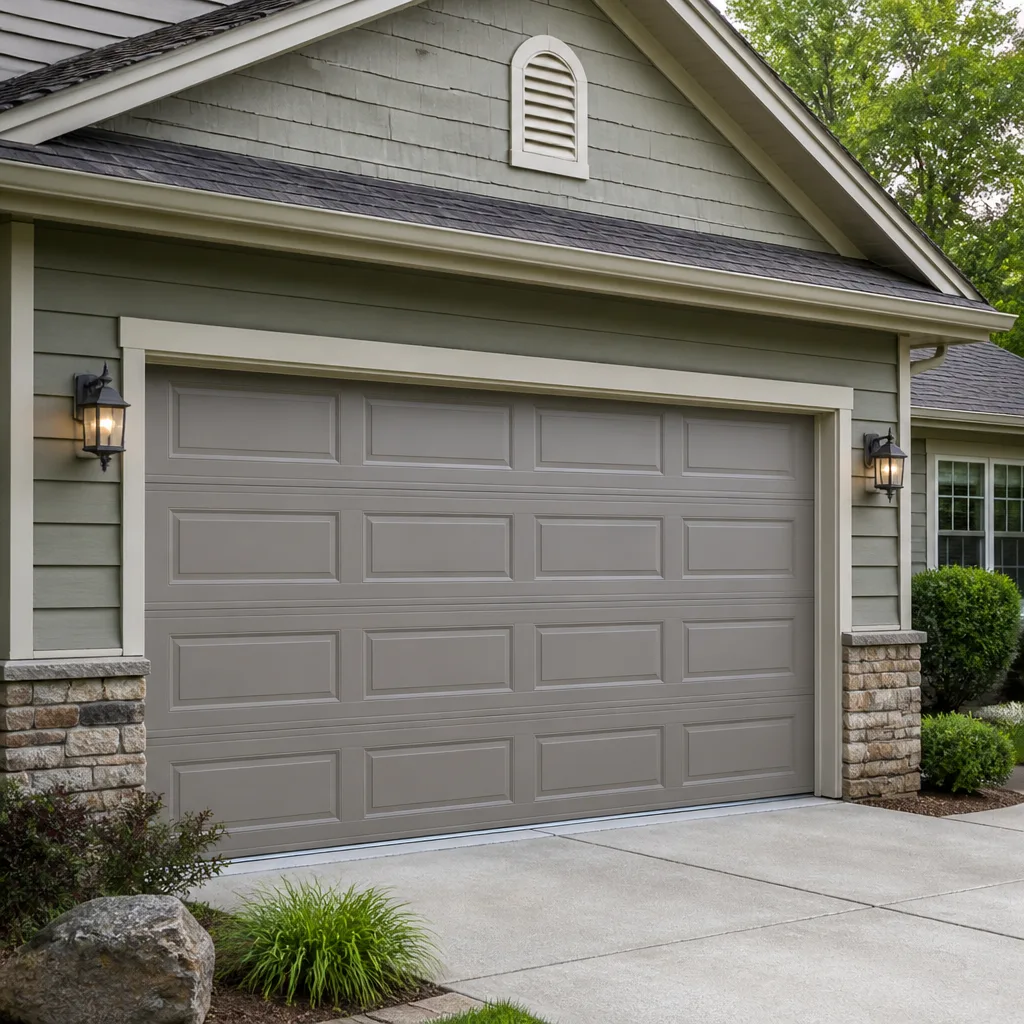 Raised-panel steel
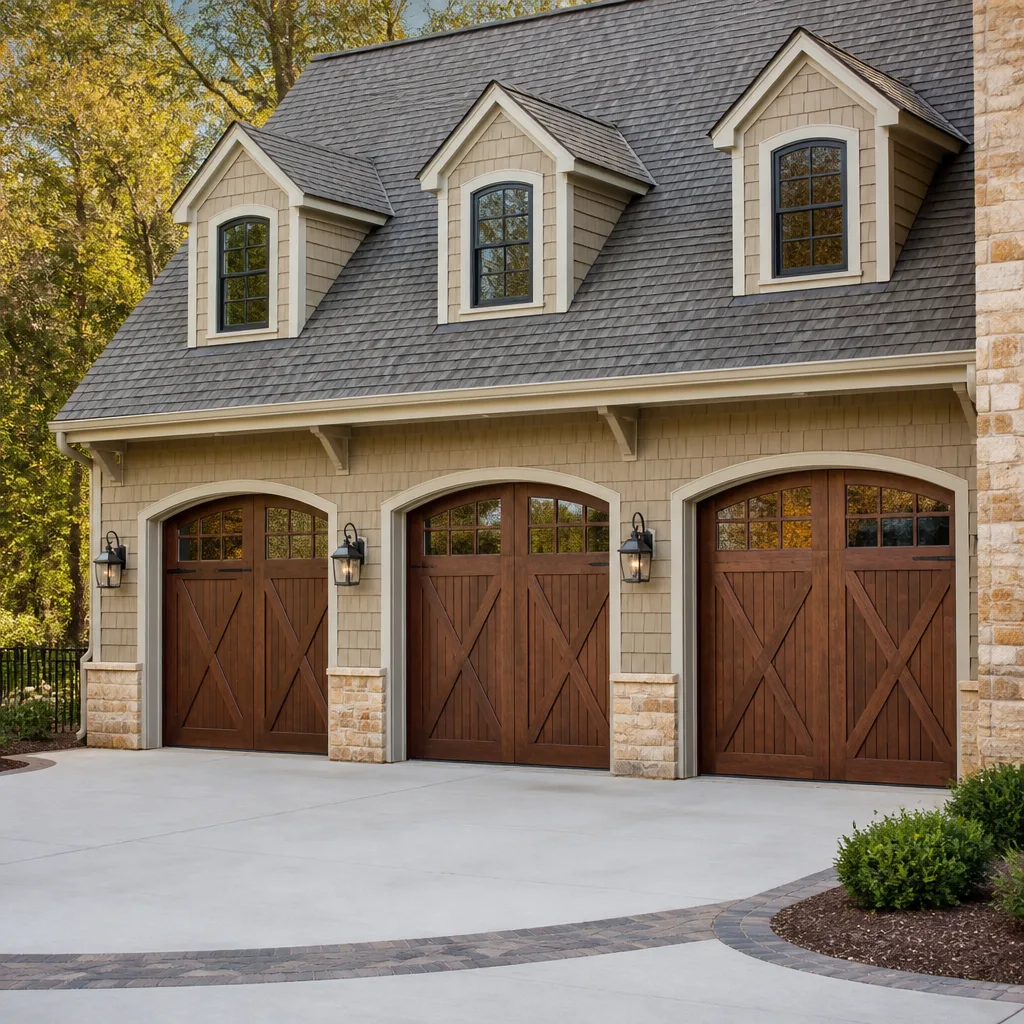 Carriage house
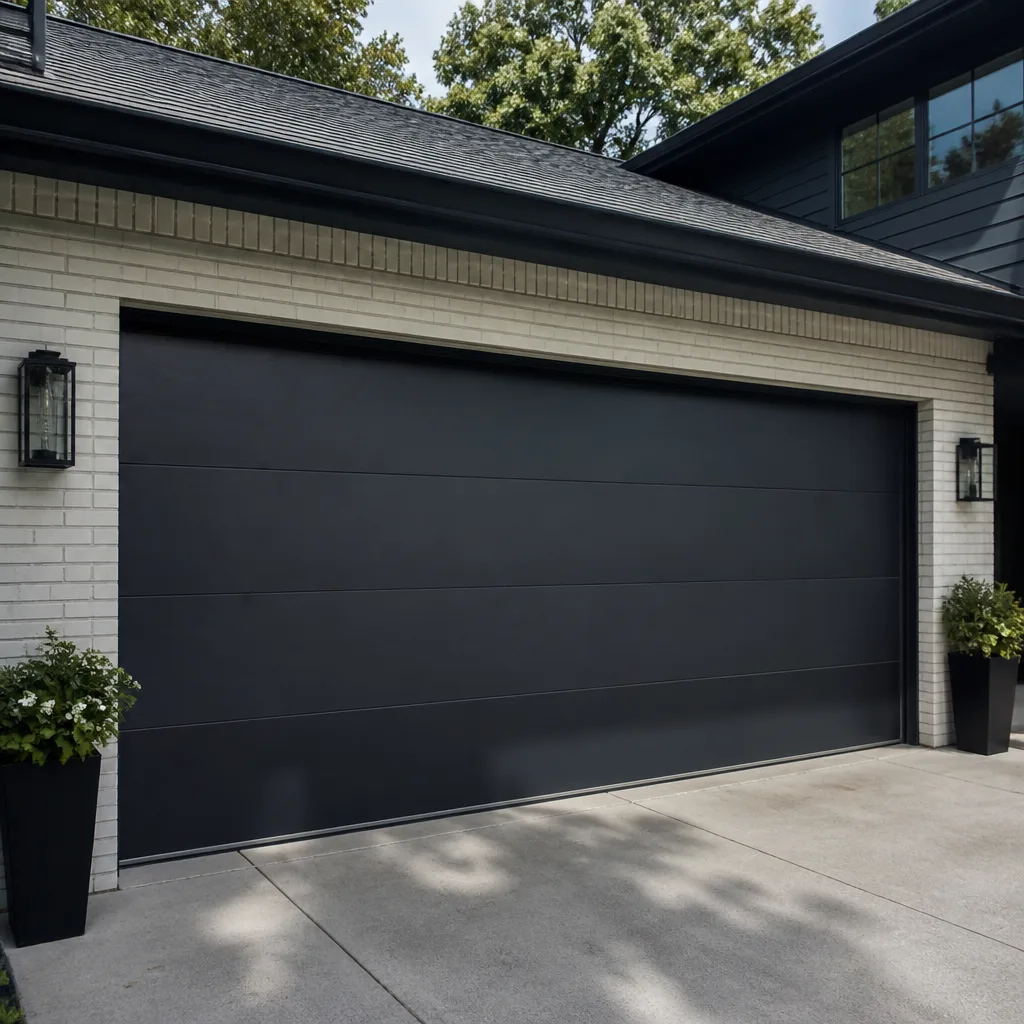 Modern flush
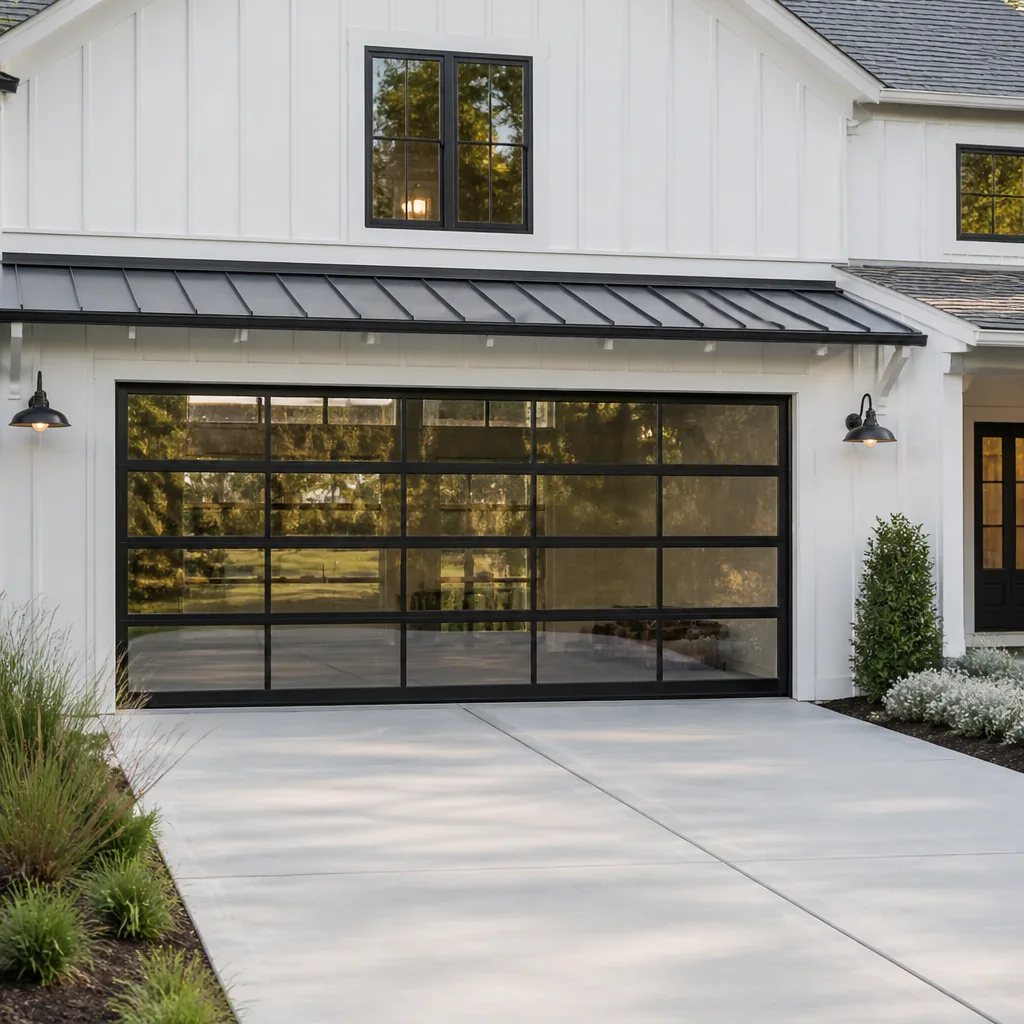 Full-view glass
 LiftMaster openers
 Chamberlain openers
Full 25-point door and opener safety check with every visit - springs, cables, rollers, tracks, and your LiftMaster or Chamberlain opener included
You get a price before we start. It does not change when the pro arrives.
Get your free estimateGarage Door Warning Signs: A Kingsbridge Homeowner’s Reference Guide
Most garage doors don’t fail without warning. They tell you something’s wrong for weeks – a little slower on the way up, a new rattle at the halfway point, a gap at the bottom you didn’t notice before. The problem is that none of these signs look urgent on the day you notice them. So they get filed under “deal with it later,” and later is when a $150 adjustment turns into a snapped spring and an emergency call. This guide walks through what a garage door is actually telling you, which sounds mean normal wear and which mean stop using the door today, and what you can safely check from the floor without touching anything. If you live in Kingsbridge and your door has been acting different lately, the next few minutes are worth your time.
Quick Answer
A garage door shows warning signs long before it fails: slower operation, uneven movement, a visible gap at the bottom seal, a loud bang from the spring area, or an opener that reverses for no reason. Some signs mean “monitor and schedule a service visit” – others, especially anything involving springs, cables, or a door that won’t stay down, mean stop using the door and call a professional today. Knowing which is which is the whole game.
Styles & brands we work with
- Raised-panel steel
- Carriage house
- Modern flush
- Full-view glass
- LiftMaster openers
- Chamberlain openers
Table of Contents
- How a Garage Door Tells You It’s Struggling
- Sounds That Mean Normal Wear vs. Sounds That Mean Stop
- What Slow, Uneven, or Stalling Movement Is Really Telling You
- Gaps at the Bottom Seal: Small Annoyance or Real Problem?
- Visual Checks You Can Do From the Floor (Without Touching Anything)
- Why an Opener That Reverses Randomly Is a Safety Issue
- The Severity Tiers: Monitor, Schedule, or Call Today
- Common Mistakes to Avoid
- When to Call a Professional
How a Garage Door Tells You It’s Struggling
A garage door is a balance system. The springs carry the weight of the door; the opener mostly just pushes it along. When something drifts out of balance – a spring losing tension, a roller wearing flat, a track knocked slightly out of line – the door compensates by working harder. That extra effort shows up as symptoms, and the symptoms appear in a predictable order: sound first, then speed, then visible movement, then a seal gap, then failure. Reading that order is how you catch a problem while it’s still small.
In Kingsbridge, most of the doors we look at are older sectional doors on homes where the garage is the everyday entrance. That means the door cycles several times a day, every day, so wear accumulates faster than a homeowner expects. A door that felt smooth last winter can feel rough by midsummer simply from repetition. Cold snaps and humid stretches both change how the door moves – one stiffens the mechanism, the other can swell wooden panels and make rollers drag – so the seasonal shift you notice in Kingsbridge is real, not imagination.
Here’s the pattern worth memorizing:
- Sound changes first. A new rattle, clunk, or groan shows up before the door visibly struggles.
- Speed changes next. The door takes noticeably longer to open or close than it used to.
- Movement becomes uneven. One side lags, the door shudders, or it stops and starts.
- Visible misalignment. A gap at the bottom, a crooked panel line, a roller sitting wrong in its track.
- Failure. A snapped spring, a cable that jumps its drum, an opener that quits under the load.
Every step on that list is catchable. The trick is not waiting until step five to act, which is where an inexpensive tune-up turns into urgent garage door repair at a much higher cost.
Sounds That Mean Normal Wear vs. Sounds That Mean Stop
Not every noise is a warning. A garage door is a mechanical system with metal on metal contact, so some sound is expected – especially on a door that’s been cycling daily for years. What matters is the kind of sound and where it’s coming from.
Sounds you can monitor
- A light rattle as the door starts moving. Usually loose hardware or worn rollers. Worth a look, not an emergency.
- A rhythmic squeak during travel. Typically rollers or hinges that need lubrication. This is what a routine tune-up is for.
- A soft hum from the opener that’s louder than it used to be. Often the opener motor working a bit harder as the door balance drifts. Not dangerous, but worth having checked.
Sounds that mean stop using the door immediately
- A loud bang from above the door. That’s the sound of a torsion spring snapping. It’s the single most common serious garage door failure, and the door will suddenly feel extremely heavy. Don’t try to lift it.
- A sharp pop followed by a hanging cable. A cable that’s jumped a drum or snapped can whip loose with real force. Keep everyone – especially kids and pets – clear of the door.
- Grinding or scraping metal on metal. A roller or hinge has failed catastrophically inside the track. Continuing to cycle the door grinds the track and can bend panels.
- The opener straining audibly and the door barely moving. The opener is fighting a jammed or out-of-balance door. Continuing to force it can strip the opener’s drive gear or burn out the motor.
In our experience, the difference between a banging sound and a rattle is the difference between a phone call today and a phone call next month. If you hear the bang, stop using the door and call us – emergency response is a real service tier for exactly this situation, not a reluctant after-hours favor.
What Slow, Uneven, or Stalling Movement Is Really Telling You
Speed is one of the most reliable diagnostics a homeowner has, and one of the most commonly ignored. A door that takes two seconds longer to open than it did a month ago isn’t “getting old.” It’s the opener working against a growing problem. Doors don’t gradually slow down on their own for no reason – something in the balance or the track has changed.
What slow operation usually points to
- Springs losing tension. As torsion or extension springs weaken, the door gets heavier and the opener works harder. On a Wayne Dalton or Raynor door this often shows up gradually over months.
- Rollers that have gone flat or seized. Worn rollers drag inside the track. The door still moves, just with effort.
- A track that’s been knocked slightly out of true. Maybe from a car bumper, maybe from the door itself running into something. The door fights the misalignment every cycle.
- An opener motor that’s aging. On older Craftsman chain drives especially, the motor loses power gradually, and the door feels sluggish as a result.
What uneven movement points to
If one side of the door rises before the other, or the door shudders and stops mid-travel, that’s almost always a balance or track problem – not a door problem in the “replace the door” sense. A cable off its drum, a broken spring on a two-spring system, or a bent track can all cause the door to lurch. Don’t keep cycling the door to “see if it clears up.” Uneven movement under load is how panels get bent and tracks get worse. Stop, then get it looked at.
When the door starts behaving like this in Kingsbridge, the right first call is a diagnosis, not a guess. A proper technician measures the door’s balance and checks the springs, cables, and track before recommending anything – and quotes the price before touching a tool. That’s the standard we hold to.
Gaps at the Bottom Seal: Small Annoyance or Real Problem?
A visible gap at the bottom of a closed garage door looks cosmetic. It usually isn’t. The bottom seal does three jobs: it keeps water and drafts out, it makes contact with the safety reverse mechanism, and it tells you whether the door is sitting square in the opening.
Here’s how to read what you’re seeing:
- A gap that runs the whole width of the door, evenly. Usually a worn or hardened bottom seal, or a door that’s not closing all the way. On older rubber seals in Kingsbridge’s humid summers, this is common and fixable.
- A gap on one side only. The door is out of level or the track is misaligned. This is a balance issue, not a seal issue.
- A gap that opened up suddenly. The door hit something, the track moved, or a cable slipped. Stop using the door and have it checked.
- A gap at the top corners with light coming in. Often weatherstripping, sometimes a framing issue. Worth measuring before winter.
The gap matters for more than comfort. It’s also a safety clue: the bottom edge of the door is what triggers the safety reverse when it contacts an object. If the seal is worn or the door is out of alignment, that safety feature may not work the way it should, which is a bigger issue than a draft.
Visual Checks You Can Do From the Floor (Without Touching Anything)
You don’t need to climb a ladder or reach into the mechanism to spot many problems early. The following checks are safe, floor-level, and don’t involve touching any moving part. The goal is observation – the actual repair work on springs and cables needs a trained professional.
- Look at the springs, don’t touch them. From the floor you can usually see a torsion spring above the door. A visible gap in the coil, a spring that looks stretched compared to the one next to it, or a torsion spring that’s sitting noticeably off-center is a sign to call a professional today. Never attempt to adjust or replace a spring yourself – the stored tension in a torsion or extension spring can cause serious injury.
- Check the cables. Look at both sides of the door where the cable runs from drum to bottom bracket. A cable that’s frayed, kinked, or not sitting cleanly in its drum needs attention. If you see a cable hanging loose, stop using the door and call for emergency service.
- Inspect the rollers in their tracks. You can see most rollers from the floor. Missing rollers, rollers sitting cocked in the track, or visibly flat rollers are all signs worth scheduling a visit for.
- Look at the panels with the door closed. A panel that’s visibly crooked, a line where panel sections meet that isn’t straight, or a dent near a hinge can all indicate the door took an impact or is misaligned.
- Check the bottom seal with the door closed. Look for the gap patterns we covered above.
- Look at the track with the door up. From the floor, watch the vertical track on each side as the door rises. A track bent inward or outward at any point will make the door drag.
If any of these checks turn up something that looks wrong, the correct next step is a diagnosis from a technician who handles that kind of door or opener. If it’s a garage door opener repair issue – the motor running but not moving the door, the opener reversing, or the remote not working – the same rule applies: observation first, repair by someone trained for it.
Our technicians have up to 13 years of experience reading exactly these signs across every major brand – LiftMaster, Chamberlain, Genie, Clopay, Amarr, Wayne Dalton, Craftsman, and Raynor. Brand-fluent diagnosis matters because a Craftsman chain drive and a LiftMaster myQ belt drive fail in different ways, and the fix should reflect that.
Why an Opener That Reverses Randomly Is a Safety Issue
An opener that reverses for no obvious reason is one of the warning signs homeowners tend to write off as a quirk. It’s not a quirk. It’s a safety device telling you something is wrong.
Here’s what’s happening. Modern openers use a force sensor – either built into the opener head or as a pair of safety eyes at the bottom of the tracks – to detect if the door hits something while closing. When the opener feels unexpected resistance, it reverses. On the surface, an opener that reverses now and then looks like it’s just being cautious. Underneath, the sensor is doing its job: the door is meeting resistance it shouldn’t. The resistance might be a track that’s been knocked out of alignment, a roller that’s about to seize, a spring that’s lost tension, or a bottom seal that’s dragging on the slab. In come cases it’s the safety eyes themselves that are misaligned or dirty, and the opener is behaving correctly.
The reason this is a safety issue and not an annoyance is what happens if you ignore it. A door that reverses at the wrong moment – or fails to reverse at the right moment when a child or pet is under it – can cause real harm. The reversal you’re seeing isn’t the problem; the reversal is telling you the door’s safety mechanism is fighting to do its job. That deserves a diagnosis, not a workaround.
What not to do: don’t tape over the safety eyes, don’t “fix” the problem by holding the wall button down to force the door closed, and don’t assume turning the opener’s force setting up is the answer. Those moves disable the exact safety feature designed to protect the people in the household. If your opener is reversing in Kingsbridge, it’s worth having a technician check it – and the difference between an intermittent reversal and a consistent one is usually the difference between a tracker adjustment and a failing safety sensor.
The Severity Tiers: Monitor, Schedule, or Call Today
This is the section worth saving. Once you identify a warning sign, the question isn’t “is this a problem?” but “how much of a problem, and how soon?” Here’s how we sort the same warning signs a homeowner can spot.
| Warning Sign | Tier | What to Do |
|---|---|---|
| Light rattle or squeak during travel | Monitor | Note it and plan a tune-up when convenient |
| Door slightly slower than it used to be | Monitor | Watch for a month – if it continues, schedule |
| Worn bottom seal with a small even gap | Schedule | Have the seal replaced before weather season |
| Rollers visibly worn or a track slightly out of true | Schedule | Book a repair before it damages panels |
| Opener reversing intermittently | Schedule | Have the safety mechanism checked soon |
| Uneven movement or one side lagging | Call today | Stop cycling the door – balance or cable issue |
| Visible spring gap, stretched spring, or bang from above | Call today | Stop using the door – spring has likely failed |
| Hanging or frayed cable | Call today | Stop using the door – cable failure is dangerous |
| Door won’t stay closed or won’t close | Call today | Security and safety issue – get it looked at today |
Note the pattern: almost everything that starts in the “monitor” tier can be caught there. The signs that land in “call today” are almost always the signs that were in “monitor” two months ago. The whole point of tracking warning signs is to move the work into the lower tier before it forces its way into the top one.
If any of the call-today signs apply to your door in Kingsbridge, don’t wait for a convenient day. Emergency response exists for exactly this – a stuck-open or stuck-closed door can’t wait for a standard appointment, and a snapped spring that forces the door down under load isn’t something to test.
See the difference
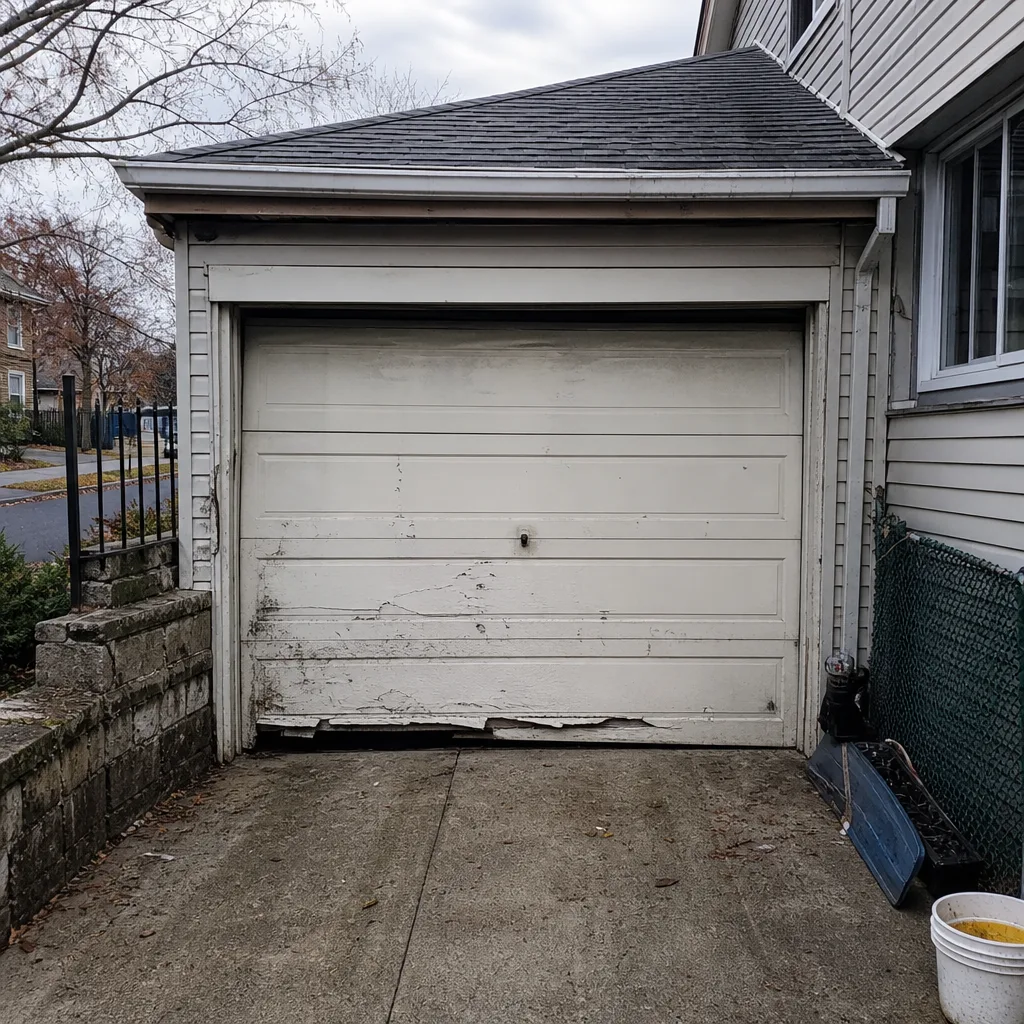 Before
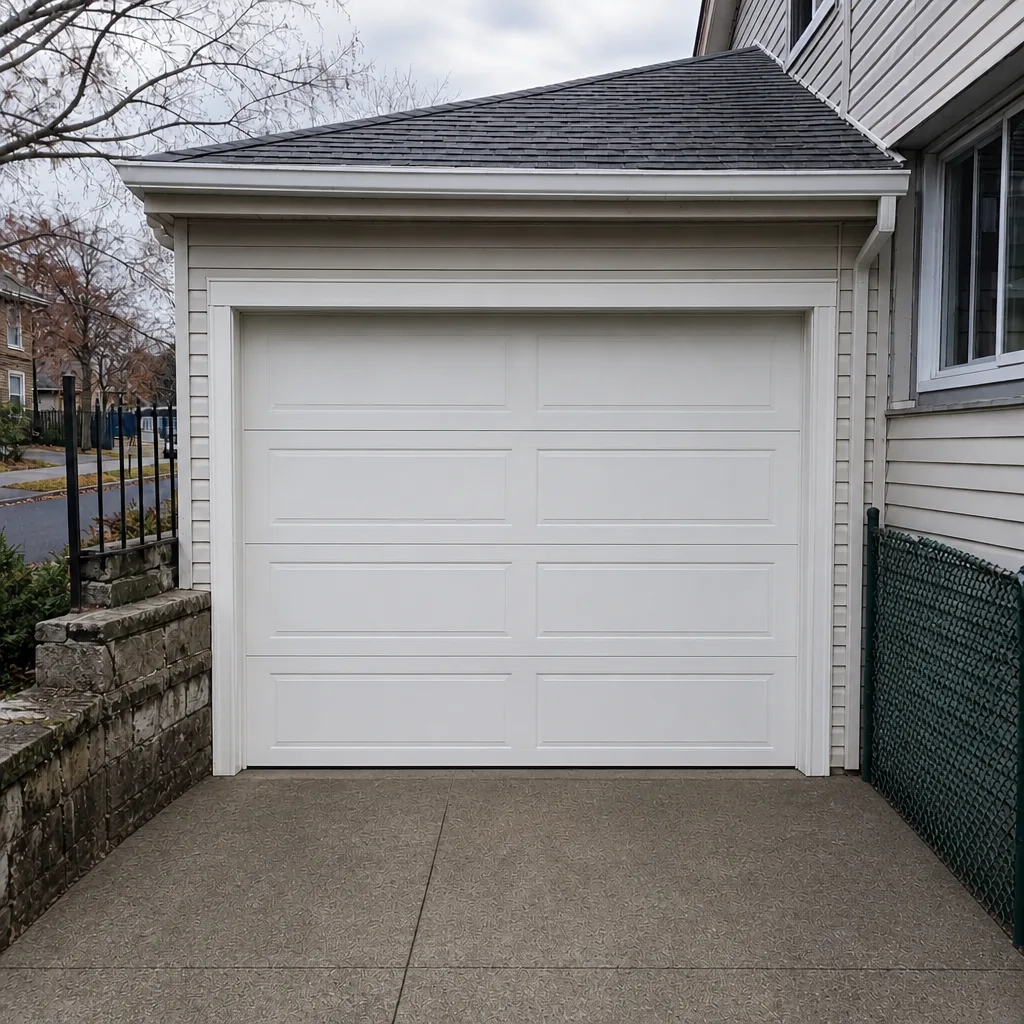 After
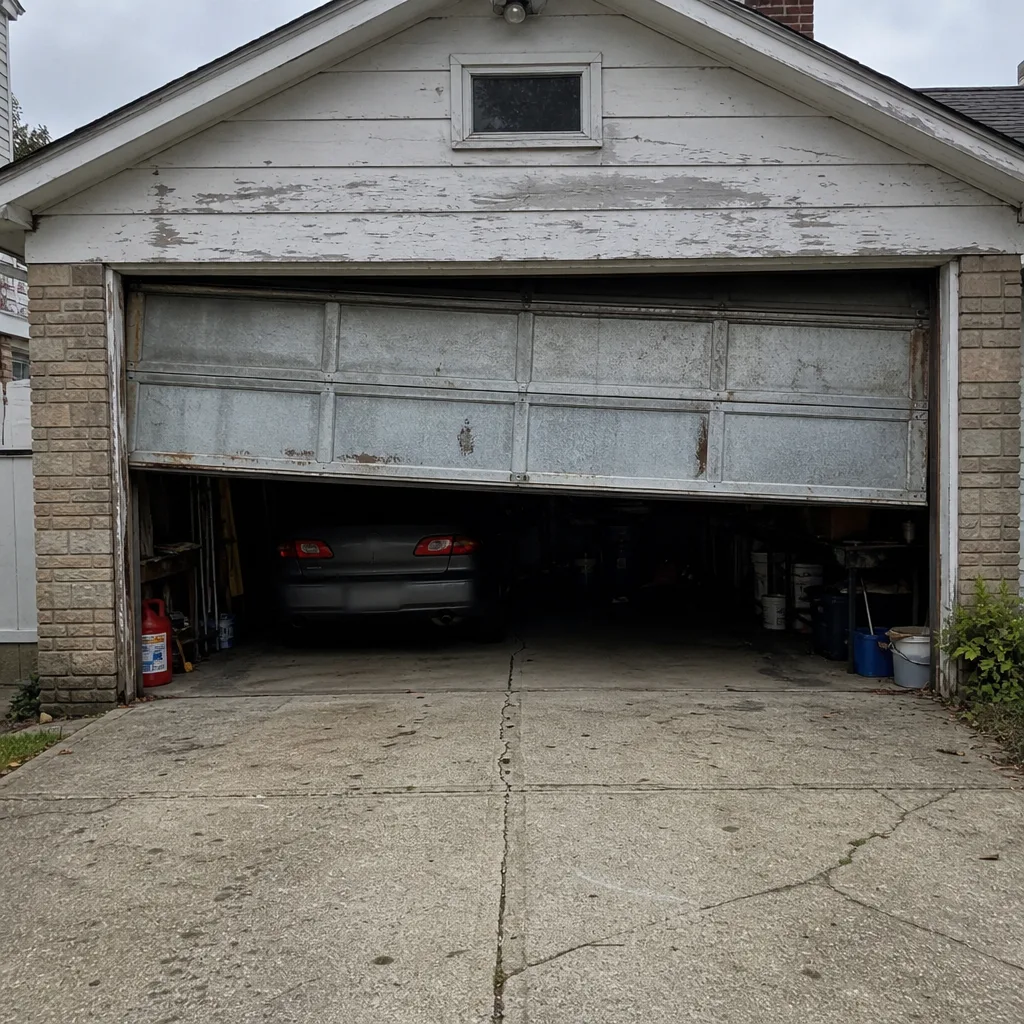 Before
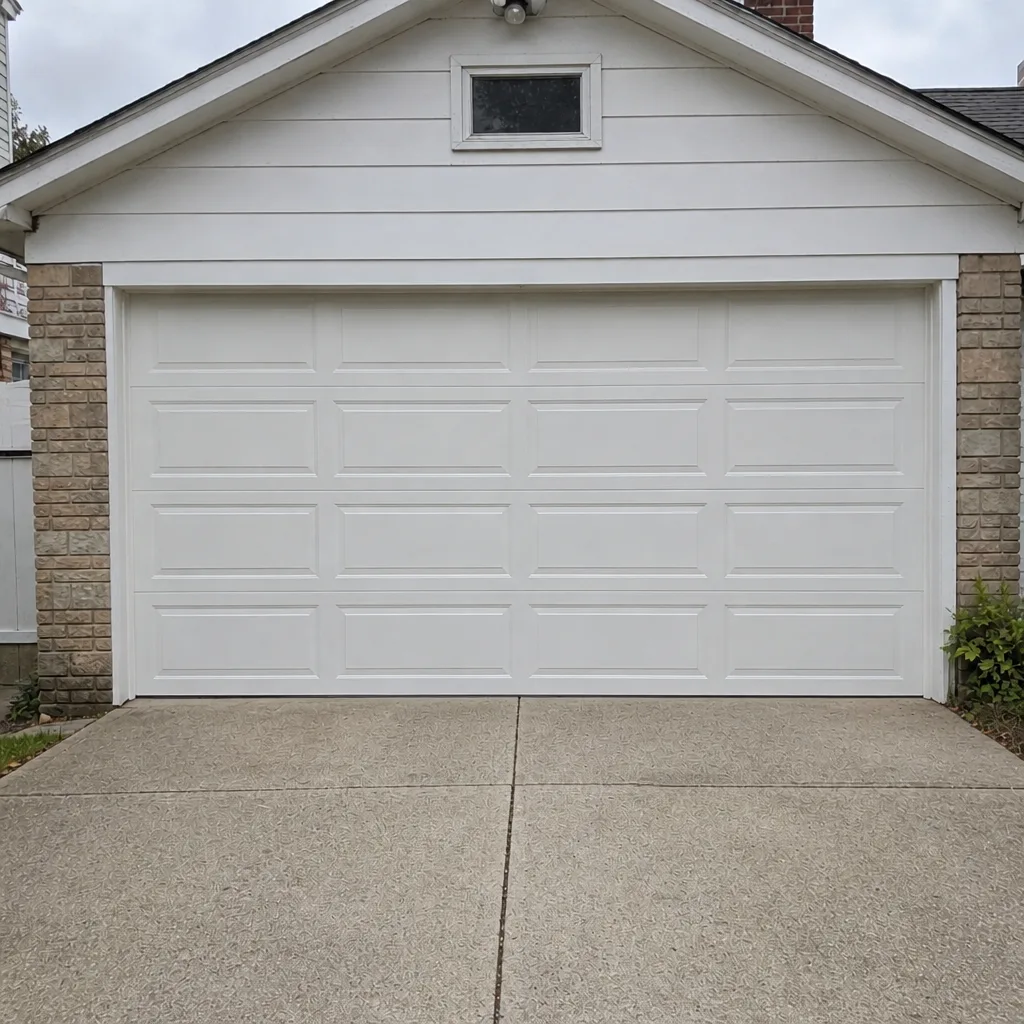 After
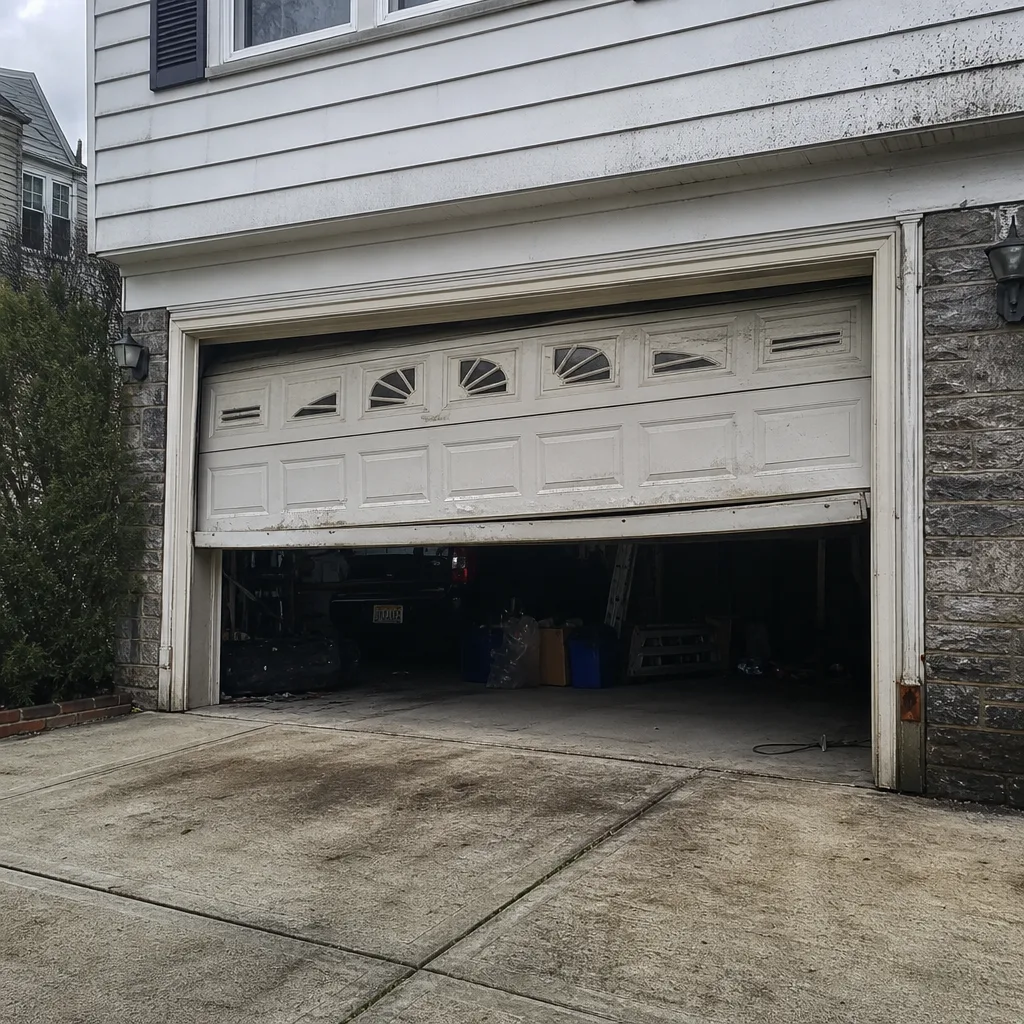 Before
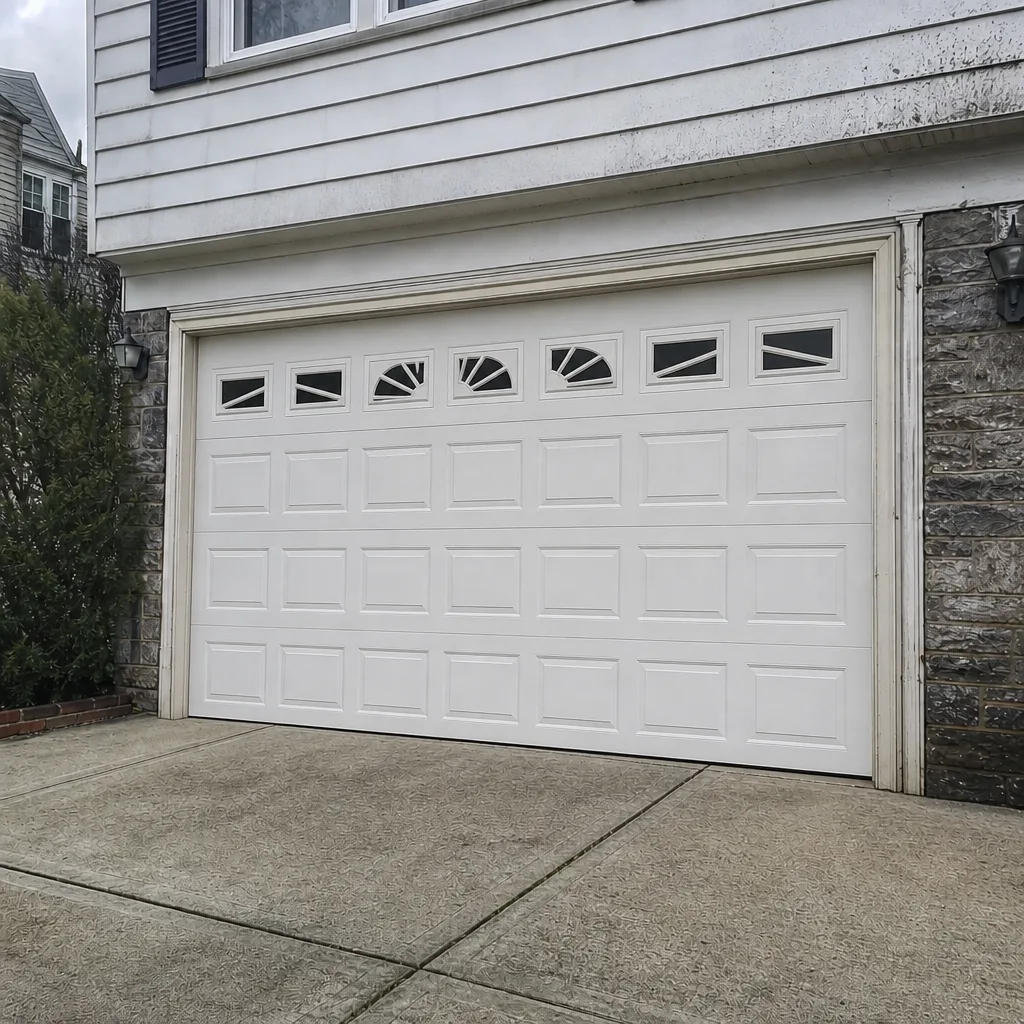 After
Common Mistakes to Avoid
- Assuming slow means old. A door doesn’t naturally slow down without a reason. Slow is a symptom, not a stage of life. When you notice the change, have it diagnosed before the balance problem becomes a spring problem.
- Forcing a reversing door closed by holding the wall button. This defeats the safety reverse and puts whatever is under the door at risk. If the door reverses, stop and get the sensor and track checked.
- Trying to adjust a torsion spring yourself. Torsion and extension springs store enormous force. A homeowner adjusting one without the right tools and training can be seriously hurt. Spring work is the one job to always leave to a professional – and in our experience, spring repair is what most DIY attempts turn into emergency calls for.
- Spraying lubricant on everything and calling it a tune-up. Lubricant on the wrong part – like the tracks themselves – attracts grit and makes the door worse. A real service visit cleans, checks balance, and lubricates the correct contact points.
- Ignoring a small bottom-seal gap until winter. In Kingsbridge, a gap that lets in drafts and moisture also means the safety reverse may not trigger properly. It’s a small fix now and a bigger one after a cold snap makes it worse.
- Assuming the opener is the problem when it’s the door. A struggling opener is often just doing its best against a door that’s out of balance. Replacing the opener without fixing the door wastes money and shortens the new opener’s life.
- Booking whichever company shows up first without asking about brand. A door with a LiftMaster myQ system or an older Craftsman chain drive has specific parts and quirks. Asking whether the technician works with your brand saves a return visit.
When to Call a Professional
Call a professional today if you hear a bang from the spring area, see a hanging or frayed cable, notice uneven movement or one side lagging, or find your door won’t close or won’t stay down. These are safety failures, not maintenance items, and continuing to use the door increases the damage and the risk. Schedule a visit – not today, but soon – if your opener reverses intermittently, your door is visibly slower than it was a month ago, you’ve spotted worn rollers or a slightly bent track, or your bottom seal has developed a steady gap. Monitor and plan a tune-up if you only hear a light rattle or squeak. Garage Door Repair Kingsbridge offers free estimates in Kingsbridge – call (866) 993-8871 and we’ll tell you honestly which tier your door is in.
Frequently Asked Questions
A new sound is usually the first sign – a light rattle, a squeak, or a hum from the opener that wasn’t there before. Sound changes before speed, and speed changes before visible movement, so listening is the earliest diagnostic. If the sound is a bang from above the door, treat it as a spring failure and stop using the door immediately – call (866) 993-8871.
You can look at them from the floor, but you should never touch or adjust them. A visible gap in the coil, a spring that looks stretched compared to its neighbor, or one sitting noticeably off-center are all signs to call a professional. Spring work requires specialized tools and training because of the stored tension – call us for a safe diagnosis rather than attempting an adjustment.
Slow operation almost always means the door is heavier to move than it should be. Usually that’s weakened springs, worn rollers, or a track that’s been knocked slightly out of true. Occasionally it’s an aging opener motor. The right move is a diagnosis – not a new opener – because a struggling opener frequently just reflects a door that’s out of balance. Call (866) 993-8871 for a free estimate on the actual cause.
It can be. A gap that runs the full width is usually a worn bottom seal and is fixable. A gap on one side only usually means the door is out of level or the track is misaligned, which is a balance issue. Either way, the gap affects the door’s safety reverse, so it’s worth having looked at before it turns into a bigger problem. We can check it in Kingsbridge at no charge for the estimate.
Yes, treat it as a safety issue. The reverse is the opener’s safety mechanism detecting resistance it shouldn’t be feeling. That resistance could be a track problem, a roller about to fail, or a bottom seal dragging – but whatever the cause, forcing the door closed can defeat the exact safety feature designed to protect people and pets. Don’t work around it; get it diagnosed by calling (866) 993-8871.
Yes. We service equipment from eight major manufacturers – LiftMaster, Chamberlain, Genie, Clopay, Amarr, Wayne Dalton, Craftsman, and Raynor – so a technician arrives familiar with the specific system in your home. That includes smart openers like LiftMaster myQ and older chain drives like the Craftsman most Kingsbridge garages still have. If your door needs more than repair, we also handle garage door installation so you’re not handed off to a second company.
The Bottom Line
Garage doors don’t fail silently. They slow down, get louder, drift out of balance, and open small gaps before something snaps. The skill worth developing as a homeowner is reading those signs and sorting them into three buckets: monitor, schedule, or call today. Most of the money and hassle in garage door repair is created by treating a “schedule” sign as a “monitor” one until it becomes a “call today” emergency. If you’re in Kingsbridge and your door has started telling you something – whether that’s a rattle, a slowdown, or a gap – the fastest way to know what tier you’re in is a free estimate and a straight answer.
Whether it’s a quick tune-up or a full replacement with a new LiftMaster or Clopay door, the goal is the same: get the door working safely, quote the price before work starts, and make sure there are no surprises on the invoice. That’s what we do, and it’s why homeowners in Kingsbridge call us when the door starts acting different. For Garage Door Repair Kingsbridge and a free estimate, call (866) 993-8871 – we’ll tell you honestly what your door needs and what it doesn’t.
Written by the team at Garage Door Repair Kingsbridge.